

Introduction
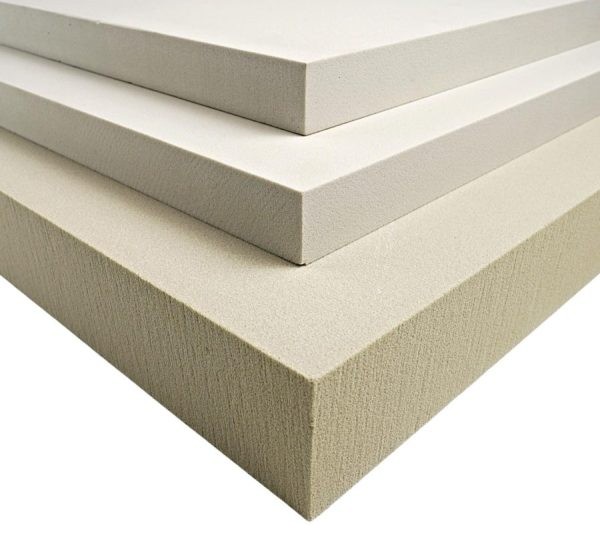
When it comes to high-performance insulation materials, few options match the efficiency and versatility of Polyurethane foam insulation. From large-scale construction projects to specialized industrial uses, this material has become a preferred solution for engineers, architects, and manufacturers worldwide. In particular, Rigid polyurethane foam stands out for its strength, thermal performance, and adaptability across different industries.
This article explores how this advanced material works, where it’s used, and why it continues to dominate modern insulation and structural applications.
Understanding Polyurethane Foam Insulation
Polyurethane foam insulation is a synthetic material designed to provide excellent thermal resistance while remaining lightweight and durable. It is widely used in both residential and industrial settings due to its ability to reduce heat transfer effectively.
Among its different forms, Rigid polyurethane foam and polyisocyanurate (PIR) insulation are the most commonly used in construction. These materials are known for:
-
Low thermal conductivity
-
High strength-to-weight ratio
-
Strong bonding capability with multiple surfaces
-
Flexibility in manufacturing and design
Because of these properties, rigid foam solutions are often the first choice for insulation systems where performance and longevity matter.
The Evolution and Industrial Importance
The commercial use of polyurethane dates back to the mid-20th century. Since then, it has expanded into a wide range of industries, including:
-
Construction and building insulation
-
Automotive manufacturing
-
Refrigeration systems
-
Furniture production
-
Footwear and consumer goods
Today, Rigid polyurethane foam is a core material in modern engineering, often found in applications where durability and insulation must go hand in hand.
Thermal Efficiency That Reduces Energy Costs
One of the biggest advantages of Polyurethane foam insulation is its exceptional thermal performance. With thermal conductivity values typically ranging between 0.022 and 0.028 W/mK, it outperforms many traditional insulation materials.
Why This Matters
-
Buildings stay warmer in winter and cooler in summer
-
Reduced energy consumption for heating and cooling
-
Lower long-term utility costs
-
Improved compliance with energy regulations
In refrigeration applications, Rigid polyurethane foam is particularly valuable. It is commonly used in cold storage panels and insulated transport systems because it maintains stable temperatures efficiently.
Structural Strength and Versatility
Unlike many insulation materials, Rigid polyurethane foam also offers impressive structural capabilities. It is widely used as a core material in composite structures across industries such as:
-
Rail and transportation
-
Marine and boat construction
-
Aerospace and defense
-
Bus and coach manufacturing
Its strength-to-weight ratio allows manufacturers to create lightweight yet durable components. This makes it ideal for applications where reducing weight without sacrificing strength is critical.
Fire-Resistant and Safety-Focused Solutions
In addition to thermal performance, safety is a major consideration in modern construction. Advanced foam variants, such as phenolic foams, provide enhanced fire resistance.
Key Fire Safety Features
-
Low flame spread
-
Minimal smoke production
-
Reduced toxic gas emissions
-
No melting or dripping under heat
These characteristics make such materials suitable for high-risk environments, including high-rise buildings and industrial facilities. Many of these foams meet strict international fire safety standards, ensuring reliability in critical situations.
Moisture Resistance and Long-Term Durability
Moisture is one of the biggest threats to insulation systems. Fortunately, Polyurethane foam insulation is designed to resist water absorption and vapor transmission.
Benefits of Moisture Resistance
-
Prevents mold and mildew growth
-
Maintains insulation performance over time
-
Reduces maintenance costs
-
Protects structural integrity
Additionally, the closed-cell structure of Rigid polyurethane foam ensures that even if water enters a damaged area, it does not spread easily. This localized containment helps maintain overall system performance.
Environmental Impact and Sustainability
Modern construction increasingly focuses on sustainability, and Polyurethane foam insulation contributes positively in this area.
Environmental Advantages
-
Reduces carbon emissions by improving energy efficiency
-
Available in CFC-free and HCFC-free formulations
-
Supports compliance with global environmental standards
-
Helps achieve energy-saving targets in buildings
By lowering energy consumption, this insulation material plays a key role in reducing the environmental footprint of both new and existing structures.
Applications Across Industries
The versatility of Rigid polyurethane foam allows it to be used in a wide range of applications:
1. Construction Sector
Used in walls, roofs, and floors to provide high-performance insulation while reducing material thickness.
2. Refrigeration Industry
Essential for cold storage units, insulated panels, and temperature-controlled transport systems.
3. Automotive and Transport
Provides lightweight insulation and structural support in vehicles, improving fuel efficiency.
4. Marine and Aerospace
Used for buoyancy, insulation, and structural reinforcement in demanding environments.
5. Industrial Manufacturing
Acts as a core material in composite panels and specialized equipment.
Acoustic Foam vs. Thermal Foam: Understanding the Difference
While Polyurethane foam insulation is widely used for thermal purposes, similar materials are also used in acoustic applications.
Acoustic Foam Characteristics
-
Designed to absorb sound waves
-
Reduces echo and improves sound clarity
-
Commonly used in studios, offices, and public spaces
However, it’s important to note that acoustic foam is not designed for thermal insulation or structural use. For insulation performance, Rigid polyurethane foam remains the superior choice.
Installation Insights for Better Performance
To maximize the benefits of Polyurethane foam insulation, proper installation is essential.
Key Tips
-
Ensure surfaces are clean and dry before application
-
Use appropriate adhesives or mechanical fixing methods
-
Apply sufficient coverage for consistent insulation
-
Combine with other materials where necessary for enhanced performance
Professional installation can significantly improve the efficiency and lifespan of the insulation system.
Benefits of Polyurethane Foam Insulation
1. Superior Thermal Performance
Delivers outstanding insulation with minimal thickness.
2. Lightweight Yet Strong
Offers structural support without adding excessive weight.
3. Long Lifespan
Resistant to moisture, chemicals, and environmental wear.
4. Versatile Applications
Suitable for construction, transport, and industrial use.
5. Energy Efficiency
Helps reduce energy consumption and operational costs.
6. Fire Safety Options
Available in fire-resistant variants for enhanced protection.
Conclusion
In today’s fast-evolving construction and manufacturing landscape, materials must deliver more than just basic functionality. Polyurethane foam insulation meets this demand by combining thermal efficiency, durability, and versatility in a single solution.
Whether it’s used in buildings, refrigeration systems, or advanced industrial applications, Rigid polyurethane foam continues to prove its value as a reliable and high-performance material. Its ability to reduce energy costs, enhance structural integrity, and support environmental goals makes it an essential component of modern design and engineering.
As industries continue to push for smarter, more sustainable solutions, polyurethane-based insulation is set to remain at the forefront—offering innovation, efficiency, and long-term value in every application.
