

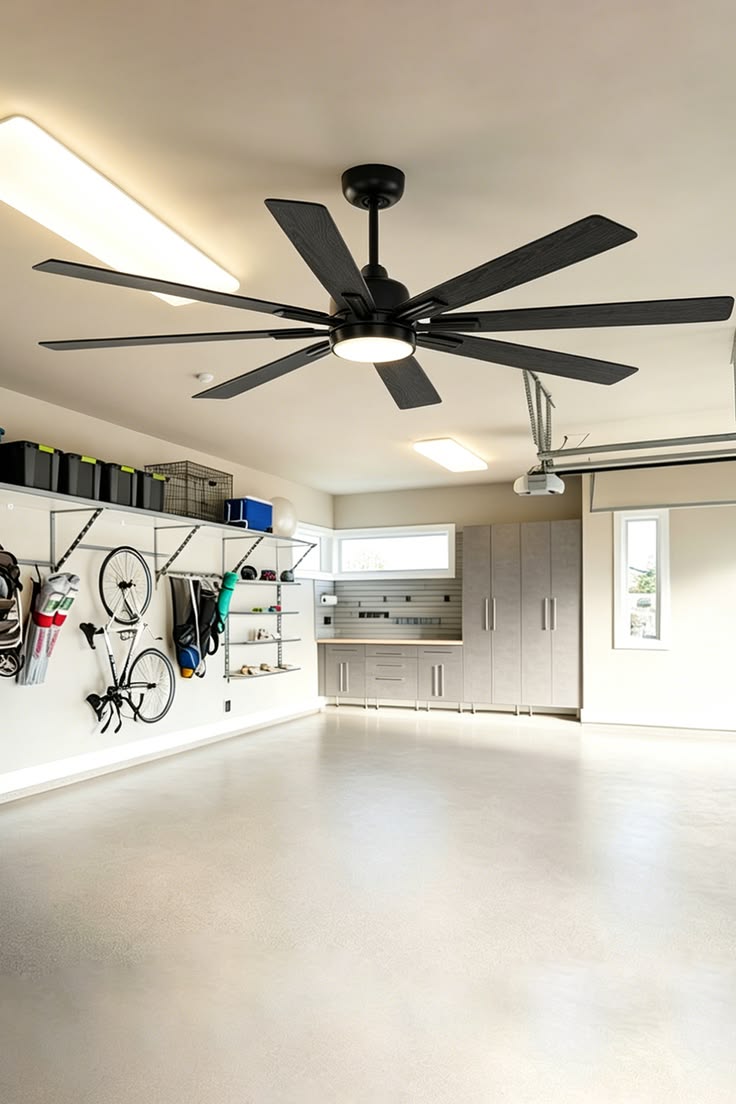
Charleston’s coastal climate creates unique challenges for homeowners, particularly in garages that lack consistent temperature control. Humid air, sudden rainfall, and changing temperatures can influence concrete surfaces, stored belongings, and overall comfort. Even a garage that appears dry may experience occasional condensation or moisture-related problems during warmer months.
Homeowners researching epoxy flooring charleston should understand these conditions before planning improvements. Although a finished floor can enhance the garage’s appearance, it cannot independently resolve drainage problems or excessive humidity. Identifying the source of moisture provides a more reliable foundation for making appropriate flooring and maintenance decisions.
Understanding How Coastal Humidity Affects Garages
Charleston experiences humid weather for much of the year, especially during warmer seasons. When moisture-laden air encounters cooler surfaces, condensation can develop on concrete, metal equipment, and other materials. However, visible dampness does not always indicate condensation. Rainwater entering beneath garage doors, plumbing leaks, or drainage problems may produce similar conditions.
Homeowners can observe when moisture appears and whether it follows rainfall, temperature changes, or prolonged periods of humidity. Recording these patterns can help professionals distinguish between environmental moisture and problems requiring building repairs.
Ventilation Requires More Than Opening Doors
Opening a garage door may improve airflow, but it does not necessarily reduce indoor humidity. During particularly humid weather, outdoor air entering a cooler garage can increase condensation. Effective humidity management depends on the building’s construction, ventilation arrangements, and everyday use. A suitable humidity monitor can help homeowners understand changing conditions.
Where persistent moisture problems occur, professional advice may be appropriate. General ventilation should also be distinguished from the specific controls required for vehicle exhaust, chemical products, or dust-producing activities. Opening a door alone may not provide adequate protection against these hazards.
Concrete Moisture Needs Proper Assessment
Concrete can contain moisture even when its surface appears completely dry. Ground conditions, drainage arrangements, and previous water exposure may influence the moisture present within a slab. Before installing a coating, contractors may need to assess whether the substrate meets the proposed system’s requirements. Visual inspection alone cannot always provide this information.
Professional moisture testing may be appropriate, particularly where dampness has occurred previously. Active water intrusion should be addressed before decorative improvements begin. A coating should not be expected to correct underlying drainage defects, foundation problems, or other sources of unwanted moisture.
Flooring Choices Should Reflect Garage Conditions
A garage used primarily for parking may have different requirements from one used for equipment storage, household projects, or recreational activities. Homeowners considering a garage floor coating charleston sc service should discuss the existing concrete, previous repairs, moisture observations, and expected activities with a flooring professional.
Different coating systems have specific preparation and application requirements. Their suitability depends on the substrate and intended environment rather than appearance alone. A professional assessment can help identify necessary preparation and determine whether additional work should occur before the selected finish is installed.
Stored Belongings Can Reveal Moisture Concerns
Garage storage often includes cardboard boxes, tools, bicycles, fabrics, and seasonal decorations. Some materials can deteriorate when exposed to prolonged humidity or recurring dampness. Rust on metal objects, musty odors, or damaged cardboard may indicate that the storage environment requires closer attention. However, these signs do not establish the precise source of moisture.
Sensitive belongings can be placed in appropriate containers or raised storage areas. Homeowners should also preserve access around walls and entrances so potential problems remain visible. Improved storage can reduce exposure, but it cannot replace repairs to leaking structures.
Seasonal Monitoring Helps Identify Recurring Problems
Moisture conditions can change throughout the year. A garage that remains comfortable during cooler weather may behave differently during humid summer periods.
Keeping a simple record can help identify recurring patterns. Useful observations include:
- Humidity levels: Monitor changes using a suitable device.
- Visible dampness: Record when and where moisture appears.
- Rainfall: Note whether problems follow heavy storms.
- Door seals: Check for visible damage or gaps.
- Stored materials: Watch for repeated signs of deterioration.
These records provide useful background information when discussing concerns with qualified professionals. They can also help homeowners recognize changes that might otherwise go unnoticed.
Conclusion
Charleston’s humid coastal environment makes moisture awareness an important part of garage maintenance. Condensation, outdoor airflow, drainage conditions, and moisture within concrete can all influence how the space performs throughout the year. Flooring improvements should be planned around these existing conditions rather than expected to resolve them independently. By monitoring recurring dampness, protecting stored belongings, and seeking professional assessment where necessary, homeowners can make more informed decisions. Addressing underlying concerns before selecting permanent finishes creates a practical starting point for maintaining a garage that remains suitable for everyday use.
