

Quick Answer
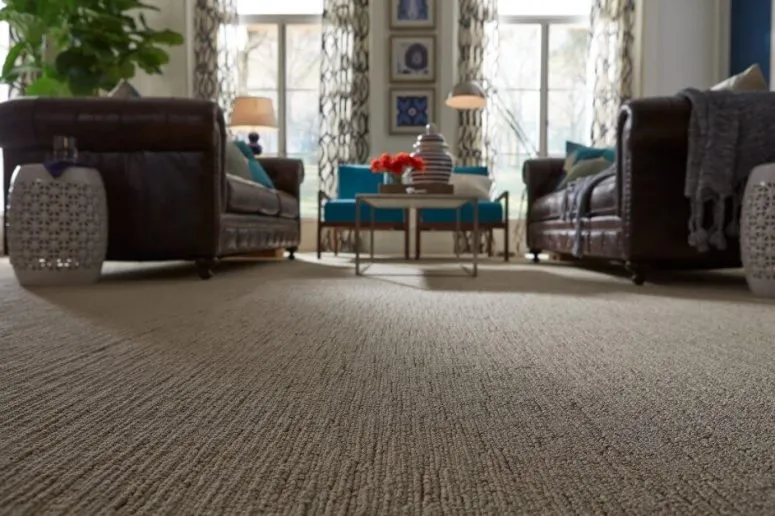
Wall-to-wall carpet dubai remains a popular choice for Dubai bedrooms, majlis rooms, and offices seeking warmth, sound insulation, and a finished look across an entire floor area. Gym flooring, by contrast, prioritizes shock absorption and durability under repeated impact from weights and equipment. Both require different material properties — carpet for comfort and acoustics, rubber or foam tiles for gym flooring’s functional demands. Risala Furniture and Interiors LLC supplies and installs both categories for residential and light commercial spaces across Dubai.
Key Facts Table
| Flooring Type | Primary Material | Key Benefit | Typical Setting |
| Wall-to-Wall Carpet | Wool, nylon, polypropylene | Comfort, sound insulation | Bedrooms, offices, majlis |
| Gym Flooring | Rubber tiles/rolls, EVA foam | Shock absorption, durability | Home gyms, fitness rooms |
Introduction
Wall-to-wall carpet and gym flooring dubai solve very different problems, but both come up frequently in Dubai home renovation projects — one for comfort-driven living spaces, the other for dedicated fitness areas. Getting either wrong tends to show up quickly: carpet that traps dust in a dry climate, or gym flooring that doesn’t absorb enough impact and starts showing wear within months. This guide breaks down both categories with the practical factors that matter for a Dubai installation.
Wall-to-Wall Carpet: What to Consider
Material Choices
- Wool carpet — naturally durable and stain-resistant, though higher cost.
- Nylon carpet — strong wear resistance, commonly used in higher-traffic rooms.
- Polypropylene carpet — budget-friendly and resistant to moisture, though less durable under heavy foot traffic long-term.
Wall-to-Wall Carpet Installation Steps
- Measure the room precisely, accounting for closets, alcoves, and doorway transitions.
- Select underlay thickness based on desired comfort and sound insulation.
- Choose carpet pile height — lower pile for easier maintenance, higher pile for a plush feel.
- Confirm installation method (stretch-in vs glue-down) based on subfloor type.
- Plan for periodic professional cleaning to maintain appearance and hygiene.
Wall-to-Wall Carpet vs Area Rugs
| Factor | Wall-to-Wall Carpet | Area Rugs |
| Coverage | Full room | Partial |
| Installation Permanence | Fixed | Movable |
| Sound Insulation | High | Medium |
| Renovation Flexibility | Lower | Higher |
Gym Flooring: Built for Impact and Durability
Home gyms have become increasingly common in Dubai apartments and villas, and flooring choice directly affects both safety and equipment longevity. Standard tile or laminate flooring isn’t built to handle dropped weights or repeated impact from cardio equipment.
Common Gym Flooring Materials
| Material | Shock Absorption | Durability | Typical Thickness |
| Rubber tiles/rolls | Excellent | Very High | 8–20mm |
| EVA foam tiles | Good | Medium | 10–20mm |
| Interlocking PVC tiles | Moderate | High | 6–10mm |
Rubber flooring is generally the preferred choice for home gyms handling free weights, given its higher density and impact absorption compared to foam alternatives — a point consistent with equipment manufacturer guidance recommending dense rubber underlay beneath weightlifting areas.
Step-by-Step: Setting Up Gym Flooring
- Measure the room and account for equipment footprint, not just open floor space.
- Choose rubber flooring (rolls or interlocking tiles) for areas handling free weights or heavy equipment.
- Use higher-thickness tiles (15mm+) directly beneath weightlifting zones for better sound and impact dampening.
- Ensure proper subfloor leveling before installation to prevent tile shifting over time.
- Add edge trim pieces for a finished look and to prevent tripping hazards at room transitions.
Comparison Table: Carpet vs Gym Flooring
| Factor | Wall-to-Wall Carpet | Gym Flooring |
| Primary Purpose | Comfort, warmth, acoustics | Impact protection, durability |
| Maintenance | Vacuuming, periodic deep cleaning | Sweeping, occasional wiping |
| Moisture Resistance | Low-Medium | High (rubber/PVC) |
| Suitable Rooms | Bedrooms, offices, majlis | Home gyms, fitness rooms |
Actionable Tips
- For wall-to-wall carpets dubai in dusty environments, choose a low-pile, tightly woven fabric that’s easier to vacuum thoroughly.
- In home gyms, prioritize rubber flooring over foam if free weights or heavy equipment will be used regularly.
- Always request underlay/subfloor recommendations specific to your building type — villa slab floors and apartment concrete floors may need different preparation.
- For dual-purpose rooms, consider modular gym tiles that can be temporarily laid over existing flooring and removed when not needed.
Frequently Asked Questions
1. Is wall-to-wall carpet suitable for Dubai’s climate? Yes, particularly in air-conditioned bedrooms and living areas, though it requires more regular cleaning due to dust exposure common in the region.
2. What’s the best flooring for a home gym in Dubai? Rubber flooring, either in tile or roll form, is generally recommended for home gyms due to its shock absorption and durability under heavy equipment.
3. How thick should gym flooring be for weightlifting? For areas handling free weights, flooring thickness of 15mm or more is commonly recommended to adequately absorb impact.
4. Can wall-to-wall carpet be installed over existing tile floors? Yes, wall-to-wall carpet can typically be installed over tile with proper underlay and adhesive, provided the subfloor is level.
5. Does gym flooring need to be professionally installed? Many interlocking gym tiles are designed for straightforward self-installation, though larger rubber roll installations often benefit from professional fitting for a seamless finish.
6. How do I clean and maintain wall-to-wall carpet? Regular vacuuming combined with professional deep cleaning every 6–12 months helps maintain both appearance and hygiene.
7. Is EVA foam flooring good enough for a home gym? EVA foam works well for lighter activities like yoga or bodyweight training but is less suitable for heavy free-weight use compared to rubber flooring.
8. What carpet material is most durable for high-traffic rooms? Nylon carpet generally offers the best wear resistance for high-traffic rooms compared to wool or polypropylene alternatives.
9. Can gym flooring reduce noise transfer between floors in apartments? Yes, thicker rubber gym flooring can meaningfully reduce impact noise transfer, which is a common consideration in Dubai apartment buildings.
10: Where does Risala Furniture and Interiors provide its services? Risala Furniture and Interiors LLC provides its services in UAE ,OMAN , QATAR , SAUDI ARABIA , KUWAIT , BAHRAIN and all across the Gulf and Middle East region.
Key Takeaways
- Wall-to-wall carpet suits comfort-focused rooms like bedrooms and majlis areas but requires regular maintenance in dusty conditions.
- Rubber flooring is the preferred choice for home gyms handling free weights or heavy equipment.
- Subfloor preparation and underlay selection significantly affect the long-term performance of both flooring types.
- Risala Furniture and Interiors LLC provides tailored flooring solutions for both comfort-driven and functional fitness spaces.
Conclusion
Wall-to-wall carpet and gym flooring serve fundamentally different purposes, and treating them as interchangeable often leads to disappointing results — carpet in a weight room wears out quickly, while gym tiles in a bedroom feel out of place and cold underfoot. Matching material to room function, and getting subfloor preparation right from the start, makes the biggest difference in how either flooring type performs over time. Risala Furniture and Interiors LLC continues to help Dubai households navigate these choices room by room, from comfort-focused living areas to dedicated home gym installations.
📍 Visit us: maps.app.goo.gl/igmNHkW1QCyL19wT7?g_st=ac
