

Pest control in Singapore is a year-round need because the warm and humid climate allows pests to breed quickly. Cockroaches, termites, mosquitoes, rodents, ants, flies, bed bugs, and other pests can affect homes, offices, food outlets, factories, vehicles, and commercial spaces.
For homeowners and SMEs, the goal is not just to remove visible pests. A proper pest management plan should identify the source, treat the infestation safely, reduce future entry points, and include follow-up where needed.
Aardwolf Pestkare provides pest control services in Singapore for residential, commercial, and industrial settings, with services covering termites, cockroaches, mosquitoes, rodents, ants, flies, bed bugs, booklice, fleas, ticks, stored product insects, mould cleaning, and disinfection support.
Why Pest Control Matters in Singapore
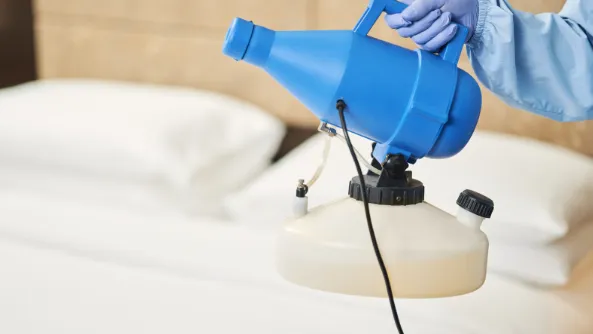
Pests create more than inconvenience. They can carry bacteria, contaminate food, damage property, trigger allergies, and affect daily operations. In business settings, pest sightings can also lead to customer complaints, hygiene concerns, and operational disruption.
Common risks include:
-
Cockroaches contaminating kitchen surfaces and food areas
-
Rodents damaging wiring, packaging, and stored goods
-
Termites weakening timber, cabinets, and built-in structures
-
Mosquitoes breeding in stagnant water
-
Bed bugs spreading through luggage, furniture, and bedding
-
Flies affecting food preparation and dining spaces
Aardwolf Pestkare describes its work as protecting families, businesses, and employees through sustainable pest services that consider both safety and environmental health.
Common Pests in Singapore Homes and Businesses
Cockroaches
Cockroaches are common in kitchens, rubbish areas, drains, and food storage spaces. They hide in cracks, appliances, cabinets, and wet areas. Signs include droppings, egg cases, musty smells, and activity at night.
Termites
Termites can damage timber quietly before owners notice any visible signs. Mud tubes, hollow-sounding wood, damaged skirting, and warped panels may point to termite activity. Aardwolf Pestkare provides termite services, including support for subterranean and drywood termites.
Mosquitoes
Mosquitoes breed in small amounts of stagnant water. Plant saucers, drains, pails, roof gutters, and outdoor clutter should be checked often. Aardwolf Pestkare provides mosquito prevention and control services for homes and workplaces.
Rodents
Rats and mice can enter through small gaps, drains, service areas, and storage rooms. They may chew wires, contaminate stock, and leave droppings behind.
Bed Bugs
Bed bugs hide in mattresses, bed frames, sofas, curtains, and cracks near sleeping areas. They usually require careful treatment and follow-up because they spread easily.
How Professional Pest Control Works
A reliable pest control process should begin with inspection. Spraying without understanding the source often gives only short-term relief.
Aardwolf Pestkare follows a structured process that includes inspection and assessment, customised treatment planning, eco-conscious treatment methods, and ongoing monitoring or prevention guidance.
Step 1: Inspection
Technicians check where pests are hiding, entering, feeding, or breeding. This may include kitchens, bathrooms, drains, ceiling spaces, storage rooms, bin areas, and exterior zones.
Step 2: Treatment Plan
The treatment should match the pest type and site condition. For example, cockroaches, termites, rodents, and mosquitoes need different methods.
Step 3: Targeted Treatment
Treatment may include baits, traps, misting, proofing, monitoring tools, or other pest-specific methods. Aardwolf Pestkare states that it uses eco-friendlier, lower-toxicity options across many service types where suitable.
Step 4: Follow-Up and Prevention
Follow-up helps confirm whether activity has reduced. Prevention advice may include sealing gaps, removing standing water, improving storage, and keeping food areas clean.
How Often Should Pest Control Be Done?
The right frequency depends on property type and risk level.
A practical guide:
-
Homes: every 3 to 6 months for general prevention
-
Food outlets: monthly or more often depending on activity
-
Offices: every 2 to 3 months, especially near pantry areas
-
Factories and warehouses: regular scheduled checks due to stock and storage risk
-
Termite-prone properties: yearly inspection or ongoing monitoring if activity is found
High-risk premises should not wait until pests are visible. Early checks reduce the chance of a larger infestation.
Simple Prevention Steps for Owners and Tenants
You can reduce pest pressure with daily habits:
-
Store food in sealed containers
-
Clear rubbish daily
-
Fix water leaks quickly
-
Remove stagnant water weekly
-
Keep drains and floor traps clean
-
Seal gaps around pipes, doors, and windows
-
Reduce clutter in storerooms
-
Check cardboard boxes and old furniture
-
Keep bin areas dry and covered
Prevention works best when paired with professional inspection and proper treatment.
FAQ
What is the best pest control method in Singapore?
The best method depends on the pest and property condition. A proper inspection should identify the source before treatment is recommended.
How often should homes in Singapore get pest control?
Most homes benefit from pest control every 3 to 6 months. Homes with recurring cockroaches, termites, mosquitoes, or rodents may need more frequent visits.
Is pest control safe for children and pets?
Professional pest control can be safe when applied correctly. Inform the technician about children, elderly residents, pets, or health concerns before treatment begins.
Does Aardwolf Pestkare provide pest control for homes and businesses?
Yes. Aardwolf Pestkare provides pest control services for residential, F&B, office, factory, vehicle, and commercial spaces in Singapore.
