

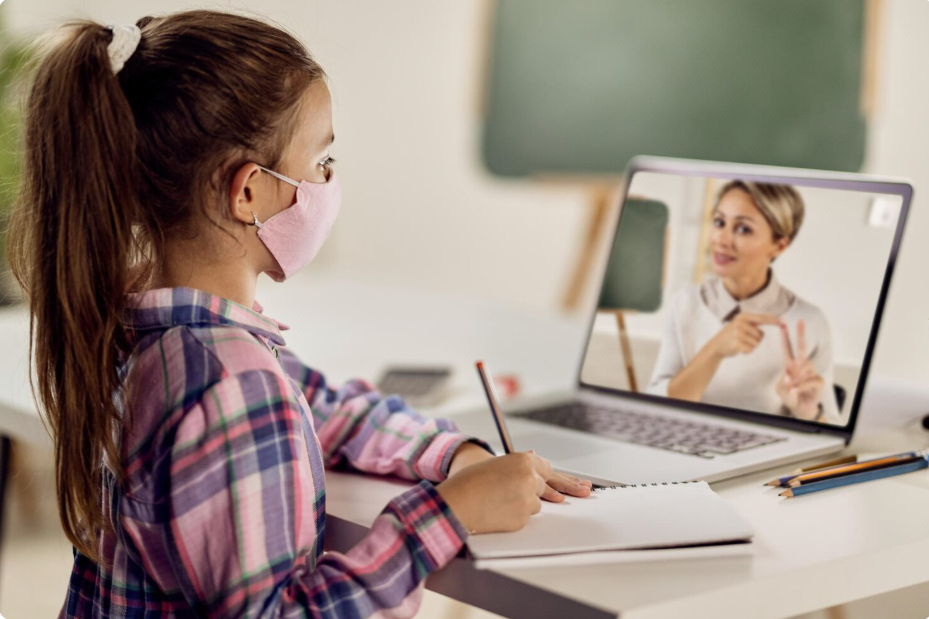
The way students learn has changed dramatically over the past decade. With high-speed internet now available to millions of households, video chat has become the backbone of modern online education. Whether you are a professional tutor expanding your reach globally or a student seeking specialized academic help, knowing how to use video chat effectively can make the difference between a mediocre session and a truly transformative learning experience. Platforms such as Ome TV have broadened the scope of real-time communication, enabling educators and learners to connect seamlessly across time zones and geographic barriers.
Online tutoring via video chat is not just about turning on a camera. It requires thoughtful preparation, the right tools, clear communication strategies, and an understanding of how to keep students engaged in a virtual environment. This comprehensive guide walks you through everything you need to know to deliver or receive high-quality tutoring through video chat.
Choosing the Right Video Chat Platform for Tutoring
Not every video chat tool is designed with education in mind. The platform you choose should offer stability, screen-sharing capabilities, whiteboard features, and the ability to record sessions for later review. Some platforms also support breakout rooms, which are invaluable for group tutoring scenarios.
When evaluating options, consider the following criteria:
-
Connection reliability: A platform with minimal lag and strong uptime keeps lessons flowing without frustrating interruptions.
-
Screen sharing and annotation: Being able to highlight text, draw diagrams, or mark up a student’s work in real time replicates the in-person whiteboard experience.
-
Recording capability: Session recordings let students revisit complex explanations at their own pace.
-
Cross-device compatibility: Students should be able to join from a laptop, tablet, or smartphone without barriers.
-
Chat and file sharing: Integrated text chat and file transfer eliminate the need for separate communication channels.
Dedicated video platforms designed for random and open video conversations, such as Vidizzy, demonstrate how video technology can lower the barrier to human connection. While mainstream tutoring typically occurs on purpose-built education platforms, understanding how video chat technology evolves helps tutors appreciate what students expect from any live video interaction: immediacy, clarity, and ease of use.
Setting Up Your Tutoring Environment for Professional Video Sessions
First impressions matter even in a digital classroom. Your environment communicates professionalism, focus, and respect for the student’s time. Before your first session, spend time optimizing your physical and technical setup.
Lighting and Camera Positioning
Position your primary light source — ideally a ring light or a window — in front of you, not behind you, to avoid appearing as a silhouette. Place your camera at eye level so that you appear to be making natural eye contact, which builds rapport and trust with the student.
Audio Quality
Poor audio is the single biggest complaint in online meetings and tutoring sessions. Invest in an external USB microphone or a noise-cancelling headset. Eliminate background noise by closing windows, notifying household members, and turning off fans or air conditioners before the session begins.
Internet Connection
Whenever possible, use a wired Ethernet connection rather than Wi-Fi. A stable connection of at least 10 Mbps upload and download speed is recommended for smooth HD video. If you must use Wi-Fi, sit as close as possible to your router.
Background and Space
Keep your background clean, tidy, and distraction-free. A bookshelf, a plain wall, or a professional virtual background all work well. Avoid clutter, moving objects, or anything that could pull the student’s attention away from the lesson content.
Structuring an Effective Online Tutoring Session
A well-structured session is productive for both tutor and student. Unlike in-person sessions, where energy and proximity naturally guide engagement, online tutoring requires more deliberate planning.
Pre-Session Preparation
Send the student an agenda, any pre-reading materials, and login instructions at least 24 hours before the session. Confirm the meeting link works on their device. This reduces the chance of technical issues eating into valuable learning time.
Opening the Session
Begin with a brief, two-to-three-minute check-in. Ask the student how they are doing, whether they reviewed any previous material, and what their primary goal is for today. This warm-up activates their attention and personalizes the lesson from the start.
Core Instruction Segment
Divide your core content into focused blocks of ten to fifteen minutes, followed by a short interactive activity or question-and-answer exchange. Research in cognitive science consistently shows that attention naturally wanes after approximately fifteen minutes of passive listening, so alternating between explanation and engagement is essential online.
Using the Whiteboard and Screen Share
Visual aids transform abstract concepts into concrete understanding. Use your platform’s built-in whiteboard to work through math problems step by step, diagram grammar structures, or map out essay arguments. When reviewing a document or website, share your screen and use annotation tools to highlight key points.
Closing and Follow-Up
Reserve the final five minutes to summarize key takeaways, assign practice tasks, and preview the next session’s topic. Send a brief follow-up email or message within 24 hours that recaps what was covered and includes any additional resources.
Leveraging Recording and Playback for Deeper Learning
One of the most underutilized advantages of video chat tutoring is the ability to record sessions. With the student’s consent, recording lessons creates a powerful study resource that extends learning far beyond the live session.
Encourage students to revisit recordings before an exam or whenever they are stuck on a concept from a previous lesson. Tutors can also review their own recordings to identify areas where their explanations were unclear, where the student showed signs of confusion, or where pacing could be improved.
Some platforms automatically generate transcripts from session recordings, making it even easier for students to search for specific explanations or copy key notes into their own study materials.
Building a Strong Tutor Relationship Online
Academic results are deeply tied to the quality of the relationship between tutor and student. In a virtual setting, intentional relationship-building becomes even more important because the natural social cues of in-person interaction are diminished.
Start each session by acknowledging something personal the student mentioned previously — a test they were nervous about, an extracurricular activity, or a goal they shared. This demonstrates active listening and genuine investment in their growth. Celebrate their milestones, no matter how small, and frame challenges as opportunities rather than failures.
Maintain consistency in scheduling. Students who know exactly when to expect their sessions develop routine and accountability. If a session needs to be rescheduled, communicate as early as possible and offer an alternative time promptly.
Privacy, Safety, and Best Practices for Online Tutoring
When tutoring minors through video chat, safety and privacy protocols are non-negotiable. Always obtain written consent from parents or guardians before beginning sessions with anyone under 18. Use platforms that offer end-to-end encryption and do not store video data on external servers without explicit user consent.
Avoid conducting sessions through personal social media video calls, which can blur professional boundaries. Use dedicated tutoring or meeting platforms that provide session management features, waiting rooms, and participant controls.
Keep session recordings stored securely, share them only with the student and their parents if applicable, and establish a clear data retention policy that specifies when recordings will be deleted.
Conclusion
Video chat has made it possible for quality education to transcend geography, making expert tutoring accessible to students everywhere. But the technology itself is only as effective as the tutor who uses it. By investing in the right setup, structuring sessions thoughtfully, keeping students actively engaged, and building genuine relationships through the screen, tutors can deliver instruction that rivals — and in many cases surpasses the impact of traditional face-to-face sessions.
Whether you are just beginning your online tutoring journey or looking to sharpen an already established practice, applying these strategies consistently will help you create a virtual classroom experience that students look forward to, learn deeply from, and remember long after the session ends.
