

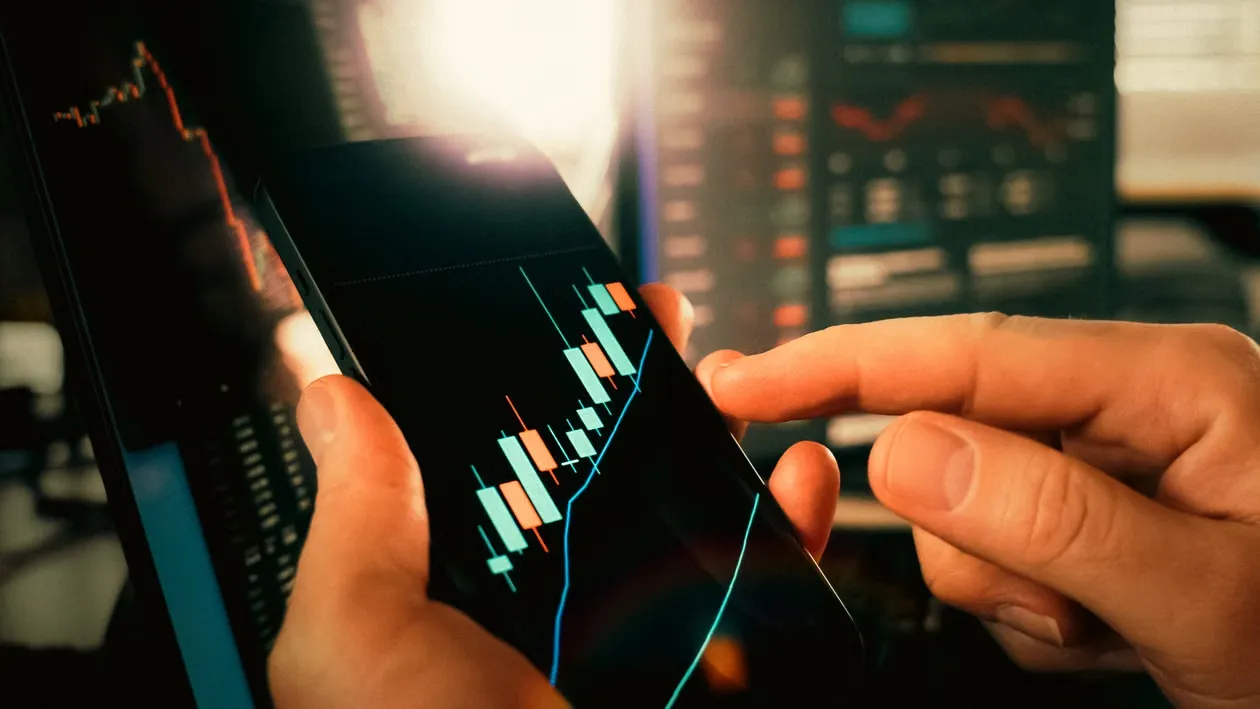
Trading from a mobile phone has changed how people follow financial markets. Price charts, economic updates, and account information are now accessible without sitting in front of a computer. A trading app can make market monitoring more convenient, but this accessibility also introduces challenges that traders may not immediately recognize.
A notification arriving during a meeting or a sudden price movement while traveling can encourage decisions made without proper analysis. Mobile trading works best when convenience is supported by clear boundaries. Understanding common mistakes can help traders develop better habits and avoid unnecessary financial exposure.
Avoid Trading During Everyday Distractions
Mobile devices are used for messaging, entertainment, shopping, and countless daily activities. Switching between these tasks and financial charts can reduce concentration. A trader might overlook an important price level or misunderstand an order setting when responding to several notifications.
The availability of different forex trading platforms does not remove the need for focused decision-making. Traders should choose suitable moments to analyze markets rather than opening positions whenever they have a few spare minutes. Good decisions require attention, regardless of the device being used.
Never Ignore Smaller Screen Limitations
Smartphone screens display less information than desktop monitors. Important chart details may become difficult to interpret when several indicators, drawing tools, and price labels appear together. Small movements can also seem more significant when viewed without broader market context.
Traders can address this by checking multiple timeframes and avoiding overcrowded charts. When detailed analysis becomes necessary, reviewing the same market on a larger screen may provide a clearer perspective. Mobile convenience should not replace the information needed for an informed decision.
Check Every Order Before Submission
Entering an incorrect position size is a mistake that can have serious financial consequences. On a touchscreen, a misplaced tap or typing error may create an order with greater exposure than originally intended. Rushing increases the likelihood of overlooking such details.
Before confirming a trade, users should review the instrument, order direction, position size, and relevant protective settings. They should also understand the margin requirements involved. A brief verification process can help reduce avoidable operational errors, although it cannot eliminate the risk of market losses.
Control The Influence Of Notifications
Price alerts can be useful when traders cannot monitor charts continuously. They may signal that an instrument has approached a selected level or that market conditions deserve another look. However, receiving frequent alerts can create pressure to respond immediately.
Not every notification requires action. Traders can establish alert levels based on their existing plans instead of reacting to ordinary fluctuations. Disabling unnecessary notifications during work or rest periods may also help prevent impulsive decisions driven by constant market updates.
Protect Accounts On Mobile Devices
Mobile trading involves sensitive financial information, making account security essential. Weak passwords, unsecured devices, and suspicious links can create avoidable risks. Traders should understand the security features available for their devices and trading accounts.
Using strong, unique passwords and enabling multifactor authentication where supported can improve protection. Installing applications only through verified official sources is equally important. Public Wi-Fi networks and unfamiliar links deserve caution, especially when accessing accounts or managing financial transactions.
Understand Connectivity And Execution Risks
Mobile connections are not always reliable. A weak signal, depleted battery, or temporary internet interruption can affect access to account information. Such problems become particularly concerning when traders attempt to manage positions during volatile market conditions.
A reliable trading routine should account for technical interruptions. Users can learn alternative account-access methods and understand the broker’s available support channels. Nevertheless, technical preparation cannot guarantee continuous connectivity or prevent execution differences during rapidly changing markets.
Separate Market Research From Entertainment
Social media can expose traders to financial news, market opinions, and discussions about popular instruments. Although some information may be useful, sensational headlines and unsupported profit claims can encourage poorly considered decisions.
Market research should rely on credible information and independent evaluation. Traders should question predictions that promise guaranteed outcomes or encourage unusually large positions. Comparing several reliable sources and examining the underlying market conditions is generally more useful than copying trades promoted through social platforms.
Conclusion
Mobile trading offers flexibility, but convenient access should never become a reason for rushed financial decisions. Careful order verification, account security, focused research, and sensible notification settings can support a more disciplined approach. Trading resources available through tradewill.com may help users explore financial markets and available tools. However, leveraged products remain risky regardless of the technology used. Maintaining clear boundaries and realistic expectations is essential when managing market exposure from a smartphone.
