

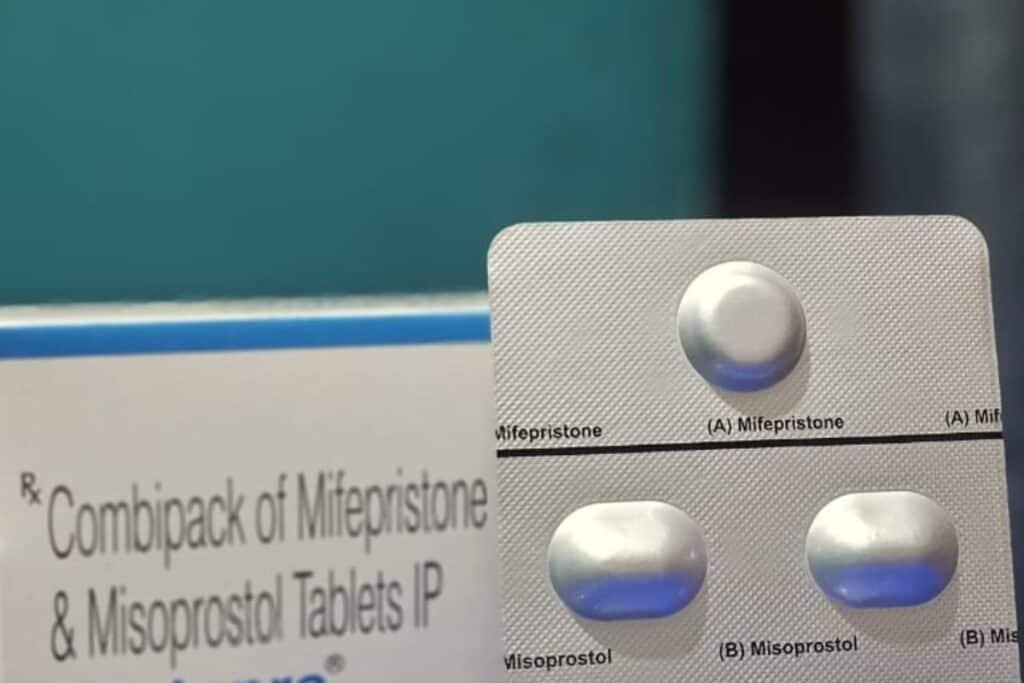
When considering a medical abortion, many people want to know the abortion pills success rate and how effective the process really is. Understanding the success rates, along with the role of medications like misoprostol, helps ensure you make informed decisions about early pregnancy termination.
Learn more about abortion pills in Riyadh and safe early pregnancy termination options available under medical guidance. Consultation with Dr Sulaiman.
What Are Abortion Pills?
Abortion pills typically involve a combination of mifepristone and misoprostol. Mifepristone blocks progesterone, a hormone necessary for maintaining pregnancy, while misoprostol induces uterine contractions to expel the pregnancy.
Medical abortion using these pills is considered a safe and effective alternative to surgical procedures for early pregnancy.
Abortion Pills Success Rate
The abortion pills success rate depends on several factors, including how far along the pregnancy is and whether the instructions are followed correctly.
- For pregnancies up to 8 weeks, medical abortion has a success rate of 95–98%.
- Between 9–10 weeks, the success rate is slightly lower, around 93–95%.
- After 10 weeks, the effectiveness decreases, and surgical options may be recommended.
Success is generally defined as complete termination of pregnancy without the need for surgical intervention.
Misoprostol Success in Medical Abortion
Misoprostol success is a key factor in the effectiveness of abortion pills. Taken after mifepristone, misoprostol triggers uterine contractions to expel the pregnancy.
- When used correctly, misoprostol has a success rate of about 95% in early pregnancy.
- Proper timing, dosage, and administration route (oral, sublingual, or vaginal) significantly impact outcomes.
- Following medical advice ensures the highest effectiveness and minimizes complications.
Factors Affecting Medical Abortion Effectiveness
Several factors can influence the medical abortion effectiveness:
- Gestational Age – Early-stage pregnancies respond better to pills.
- Medication Compliance – Taking both mifepristone and misoprostol as instructed is crucial.
- Individual Health Conditions – Certain medical conditions may affect outcomes.
- Follow-Up Care – Confirming the abortion is complete ensures success and safety.
Signs of a Successful Medical Abortion
Recognizing that the abortion is working can provide reassurance:
- Heavy bleeding and passing tissue after misoprostol
- Cramping and abdominal pain
- Symptoms such as nausea, fatigue, or mild fever
- Decrease in pregnancy symptoms like breast tenderness or morning sickness
When to Seek Medical Advice
Even with a high success rate, some cases require medical attention:
- Persistent or very heavy bleeding
- Severe abdominal pain not relieved by medication
- High fever or signs of infection
- No bleeding after misoprostol
A follow-up visit with a healthcare provider confirms completion and rules out complications.
Conclusion
The abortion pills success rate is high, especially in early pregnancies, making medical abortion a reliable, non-surgical option. Misoprostol success plays a critical role in ensuring the effectiveness of the procedure. Following medical instructions, understanding the process, and monitoring symptoms are key to a safe and successful abortion experience.
